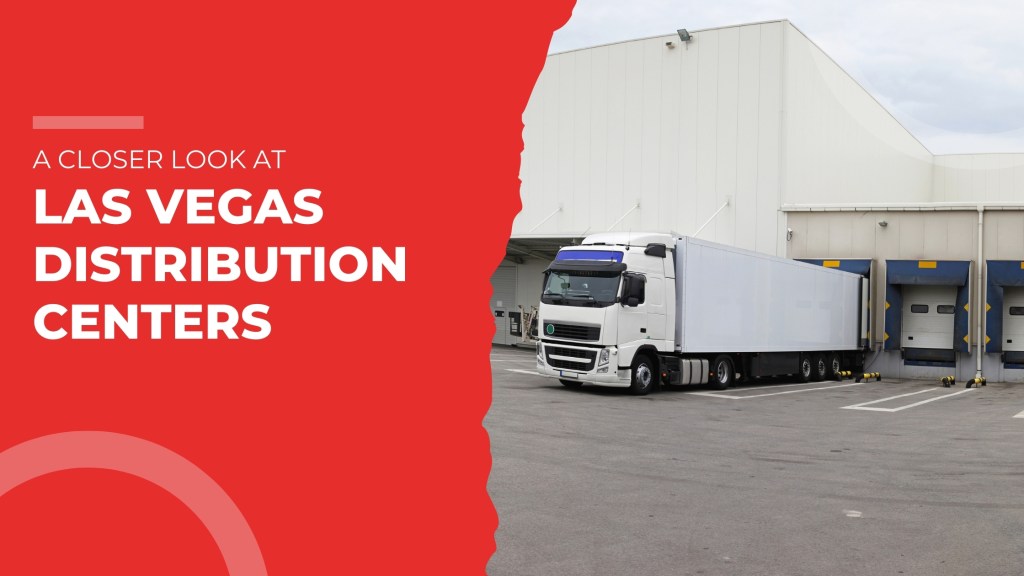
A Closer Look at Las Vegas Distribution Centers

Las Vegas is known worldwide as a major tourist destination and gambling mecca. However, there is much more to Sin City than the Strip and casinos. Las Vegas has become a central logistics and distribution hub in recent years. The city’s location, transportation infrastructure, business-friendly environment, and large workforce have made it ideal for companies to locate distribution centers. In this blog post, we’ll take a closer look at the primary distribution centers in Las Vegas and examine why this city has become such a popular spot for warehousing and logistics operations.

The Booming Warehouse Sector in Vegas

Las Vegas is experiencing a boom in industrial construction and warehousing operations. According to a recent report from CBRE, the Las Vegas industrial market saw more than 15 million square feet of new construction. Much of this new development is to accommodate the needs of distribution centers and fulfillment facilities. Major retailers like Amazon, Sephora, Bath & Body Works, Levi’s, and others have all opened large distribution hubs in the Las Vegas area in recent years.

The proximity to California and the large population base in the Southwest region make Las Vegas a strategic location. Warehousing and distribution center jobs are increasing in the area. As more companies utilize Las Vegas distribution centers to serve their logistics needs, this sector will continue to expand.

Accessibility and Transportation Infrastructure

One of the main reasons companies are flocking to open distribution centers in Las Vegas is the city’s prime location and transportation access. Las Vegas is within a day’s drive of major metro areas like Los Angeles, Phoenix, Salt Lake City, and beyond. It is strategically located at the crossroads of major interstate highways like I-15 and US 95.

McCarran International Airport also makes it easy to quickly move cargo in and out of the city. The airport handles over 100,000 tons of air cargo annually. With overnight service to major cities nationwide, Las Vegas distribution centers can efficiently distribute products nationwide.

Las Vegas also has extensive railroad infrastructure, with Union Pacific and BNSF rail lines running through the city. The proximity to the Port of Long Beach and the Port of Los Angeles also makes it easy to receive ocean freight shipments. This multimodal transportation access makes the city a beautiful logistics hub.

Business Friendly Environment

In addition to its prime location, Nevada offers a business-friendly environment that entices companies to set up distribution operations here. The state has low corporate taxes, favorable real estate costs, and a right-to-work labor environment. Streamlined regulations and permitting processes also make it simpler for firms to get up and running quickly.

The state provides a variety of tax incentives and discounts to attract distribution center development. These business-friendly policies make the region’s warehousing and logistics facilities very cost-effective. The low costs and the strategic location and transportation infrastructure make Las Vegas very appealing for companies needing distribution center space.

Abundant Real Estate Options

Las Vegas offers many industrial real estate options for distribution centers and warehouses. There are several large industrial parks located along key highway corridors that provide shove-ready site options. These business parks offer modern Class A warehouse buildings with features like ample power, dock doors, and trailer storage space.

Developers have responded to the surge in demand from e-commerce companies, retailers, and third-party logistics firms by ramping up speculative construction. Over 5 million square feet of speculative warehouse space were under construction in late 2021 to meet projected demand. These new speculative buildings provide tenants with readily available space.

Companies can also find vacant land to construct build-to-suit warehouse buildings tailored to their specific requirements. The availability of shovel-ready sites, existing buildings, and land for build-to-suit makes it smooth for firms to establish distribution presences in Las Vegas quickly.

Abundant Workforce

Operating distribution centers requires a lot of workers to handle roles like warehouse associates, forklift drivers, inventory managers, and more. With a metro population of over 2.2 million, Las Vegas provides an abundant workforce to staff these facilities. The region has a workforce well-suited for logistics and warehouse work.

Las Vegas also benefits from its tourism industry when hiring for distribution centers. The hospitality industry workforce has transferable skills that are an excellent fit for distribution jobs. These workers know how to operate on shifts, work weekends and holidays, adhere to strict schedules, and provide excellent customer service.

Back office functions like HR, finance, IT, and other support roles can also quickly be staffed from the large white-collar workforce in Las Vegas. The solid local labor pool significantly attracts companies to expand their distribution presence here.

Conclusion

Las Vegas may be best known for entertainment, but it has quickly emerged as a significant distribution and logistics hub. The city’s prime location, transportation access, business environment, real estate options, and strong workforce make it the ideal place for distribution center operations. As e-commerce and supply chain operations grow, Las Vegas is poised for more warehouse and distribution expansion.

What are your thoughts on the growth of the distribution center in Las Vegas? Feel free to leave a comment below sharing your perspectives.

Choose ready-to-use or customized spaces with Accurate Warehousing and Distribution– elevate your distribution game now!


Name: Accurate Warehousing and Distribution
Address: 6585 Escondido Street Ste B. Las Vegas
Phone No: (702) 777-0300
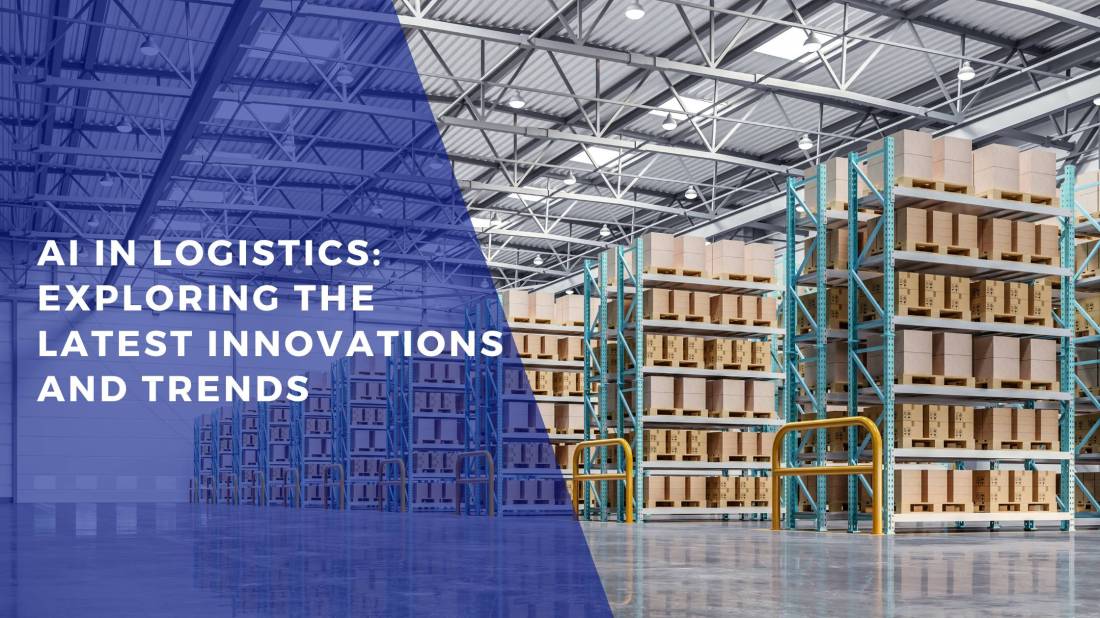
AI in Logistics: Exploring the Latest Innovations and Trends

In the rapidly evolving realm of logistics, maintaining a competitive edge is vital for businesses, regardless of size. However, how does this imperative translate for small companies such as yours? Artificial intelligence (AI) can be reserved for larger enterprises, but that assumption needs to be revised.

This article dissects the influence of AI on the logistics industry, elucidating its positive impact on businesses and outlining how even small companies can participate in this transformative trend. Whether you’re a newcomer to logistics supply or seeking to enhance your strategies, continue reading to discover how AI can truly revolutionize your operations.

How AI Used In Small Businesses in Warehousing

AI technologies offer transformative possibilities for small businesses, particularly in warehousing. They address various facets that can substantially improve operational efficiency and decision-making. Here’s a breakdown of how:

Automation and Efficiency

AI is pivotal in automating inventory processes, general package handling, and optimizing warehouse space. AI streamlines diverse warehouse tasks using machine learning, robotics, and computer vision, resulting in faster and more efficient operations.

Data Analysis and Strategic Planning

AI facilitates improved data handling, enabling small businesses to move away from complex spreadsheets in favor of algorithmic analysis. This analysis aids in comprehending current operational standings, identifying patterns, and contributing to more effective strategic planning.

Cost Reduction

Embracing AI solutions can lead to lower operational costs by creating efficiencies and saving on warehouse overhead. Simple inventory management assisted by AI ensures optimal control over inventory, thereby reducing holding costs.

Safety Enhancement

AI solutions continuously monitor warehouse environments and operations, assigning risk scores to various activities. This allows for delegating high-risk tasks to robots, contributing to a safer workplace for humans.

Utilizing AI in Logistics

Implementing AI solutions in logistics can bring significant advantages to small businesses by streamlining operations, cutting costs, and elevating service levels. Here’s a guide for small businesses to navigate this technological adoption:

Implementing AI Solutions for Small Businesses

Start Small

Commence the incorporation of AI with a focused approach, beginning with a clearly defined outcome, such as optimizing a specific aspect of the shipment process. This allows for gradual integration before expanding into more comprehensive implementations.

Utilize Data

Tap into the ample data present within supply chains to gain insights into efficiencies. This data-driven approach supports informed decision-making and facilitates the automation of processes within the logistics chain.

Address Key Issues

Identify and prioritize supply chain gaps, concentrating on warehouse efficiency and supply chain management for targeted AI integration to enhance overall performance.

Integration of AI in Logistics with Existing Systems

Compare and Select

Choose an AI solution aligned with your business needs, focusing on integration with existing systems and vendor support.

Integration Process

Seamlessly integrate AI models into existing logistics workflows, potentially creating APIs or custom interfaces for smooth communication between logistics software and AI systems.

Staff Training and Adoption of AI in Logistics

Training

Provide comprehensive AI training for employees, equipping them to utilize AI models and overcome challenges effectively.

Continuous Improvement

Establish feedback loops for continuous learning, retraining AI models, and addressing emerging issues to ensure the technology aligns with evolving logistics operations.

AI in logistics

Upon encountering the phrase AI in logistics, one might assume it’s exclusively tailored for large corporations with substantial financial resources. However, accessibility to AI is more attainable than you might imagine. Artificial Intelligence, or AI, leverages intelligent technology to optimize logistics processes such as storing goods and planning cost-effective delivery routes.

How Logistics Can Benefit from Artificial Intelligence

Artificial Intelligence (AI) has brought numerous benefits to the field of logistics, revolutionizing traditional supply chain processes. Some key advantages include:

Optimized Route Planning and Scheduling

AI algorithms analyze historical data, real-time traffic conditions, and other relevant factors to optimize route planning. This helps minimize transportation costs, reduce fuel consumption, and improve efficiency.

Predictive Analytics for Demand Forecasting

AI enables logistics companies to predict future demand more accurately by analyzing historical sales data, market trends, and external factors. This allows for better inventory control and ensures the right stock is available when needed, minimizing excess or insufficient inventory.

Enhanced Warehouse Management

AI-powered systems can optimize warehouse operations by automating inventory tracking, monitoring stock levels, and improving order fulfillment processes. This leads to faster order processing, reduced errors, and lower operational costs.

Real-time Shipment Tracking

AI facilitates real-time tracking of shipments using sensors, GPS, and RFID technology. This not only provides visibility into the supply chain but also allows for quick response to any disruptions, improving customer satisfaction.

Automation and Robotics

AI-driven robotics streamline warehouse tasks such as picking, packing, and sorting. Automated guided vehicles (AGVs) and drones can efficiently handle material, reduce labor costs, and increase productivity.

Risk Management and Fraud Detection

AI algorithms can analyze data to identify potential supply chain risks, such as weather disruptions, geopolitical events, or supplier issues. Additionally, AI helps detect fraudulent activities within the logistics and transportation processes.

Cost Reduction and Efficiency Improvement

By automating repetitive tasks, optimizing routes, and improving overall supply chain visibility, AI contributes to cost reduction and increased operational efficiency. This, in turn, allows logistics companies to offer competitive pricing and better services.

Customer Experience Improvement

AI technologies enable better communication and transparency throughout the supply chain. Customers can receive real-time updates on the status of their shipments, leading to improved satisfaction and loyalty.

Customs and Compliance Management

AI assists in navigating complex customs and compliance regulations by ensuring that documentation is accurate and up-to-date. This reduces the risk of delays and penalties associated with non-compliance.

Continuous Improvement through Data Analysis

AI enables logistics companies to gather and analyze large volumes of data to identify patterns, trends, and areas for improvement. This data-driven approach supports continuous optimization of logistics processes.

Latest Innovations and Trends of AI in Logistics

From the perspective of small businesses, here are some of the latest trends and innovations in AI within the logistics industry:

Predictive Analytics

Utilizing AI-powered predictive analytics enables businesses to foresee future trends based on historical data. This proves especially beneficial for accurately forecasting demand, identifying potential bottlenecks, and optimizing inventory levels. Small and medium-sized businesses (SMBs) can swiftly adapt to variable demands on their supply chains.

Automation and Robotics

The increasing adoption of robotics and automation, driven by AI, is a prominent trend in the logistics sector. For example, automated warehouses and indoor mobile robots are becoming more prevalent, assisting businesses in reducing labor costs and enhancing efficiency. As the cost of robotics and automation decreases over time, this trend is expected to become more accessible for SMBs.

IoT Devices

Integration of Internet of Things (IoT) devices in logistics facilitates real-time tracking of inventory levels, monitoring transportation routes, and optimizing delivery times. This is pivotal for small businesses in efficiently managing their supply chains by providing valuable insights.

AI-Enabled Customer Service

AI plays a crucial role in elevating customer service within logistics. For example, AI can automatically address customer queries related to logistics services and offer valuable insights into customer behavior. This capability is invaluable for small businesses aiming to build customer trust and satisfaction through improved service delivery.

Artificial Intelligence (AI) is not a fleeting trend; instead, it stands as a transformative force firmly entrenched, particularly within logistics. But how does this ongoing revolution impact small businesses like yours? It signifies the time to embrace this technology to ensure competitiveness and operational efficiency.

At Accurate Warehousing, we draw upon our extensive industry experience to assist you in discovering the optimal AI solutions tailored specifically for your business. Transform your logistics operations with AI by contacting us today.

Name: Accurate Warehousing and Distribution

Address: 6585 Escondido Street Ste B. Las Vegas

Phone No: (702) 777-0300
How to Find the Right Trucking Company for Your Business

In the fast-paced world of logistics, finding the right trucking company for your business is crucial. The efficiency and reliability of your shipping partner can significantly impact your overall operations. Here’s a step-by-step guide to help you navigate the process and make an informed decision. In the vast landscape of trucking companies, selecting the one that aligns seamlessly with your business needs is no small feat. The consequences of choosing an incompatible partner can range from delayed deliveries to damaged goods, affecting customer satisfaction and the bottom line. Let’s delve into the essential considerations that can guide you toward finding the perfect fit.

Understanding Your Business Needs

Before you start your search, deeply understand your business’s shipping requirements. Are you dealing with perishable goods that require refrigerated transportation? What is the frequency of your shipments? Answering these questions will provide a clear roadmap for the type of trucking company that suits your needs.

Researching Trucking Companies

Embry on a thorough research journey with a clear understanding of your requirements. Leverage online resources, industry forums, and reviews to create a shortlist of potential partners. Additionally, seek recommendations from your network within the industry for firsthand experiences and insights.

Assessing Fleet and Equipment

The backbone of any trucking company lies in its fleet and equipment. Evaluate the range and condition of the vehicles to ensure they meet your specifications. Compatibility in size, capacity, and special handling requirements is paramount for a successful partnership.

Safety and Compliance

Safety should be a non-negotiable aspect of your selection criteria. Investigate the trucking company’s safety record, ensuring it aligns with industry standards. Verify compliance with regulations to mitigate risks and provide the secure transportation of your goods.

Insurance Coverage

Accidents can happen, and having the right insurance coverage is a fundamental aspect of risk management. Clarify the extent of coverage the trucking company provides and ensure it aligns with the value and nature of your shipments.

Cost Structure

Transparent pricing for various distribution services is essential for a healthy business relationship. Scrutinize the cost structure presented by potential partners, and be wary of hidden fees or surcharges that may inflate your expenses unexpectedly.

Technology Integration

In the digital age, technology plays a crucial role in logistics. Assess the trucking company’s use of tracking and communication technologies. Compatibility with your business’s systems can streamline operations and enhance overall efficiency.

Customer Service and Communication

Effective communication is critical in logistics. Evaluate the responsiveness and communication channels of the trucking companies on your shortlist. Consider their approach to addressing issues and their effectiveness in dispute resolution.

Company Reputation

A company’s reputation speaks volumes about its reliability and professionalism. Dive into customer testimonials and case studies to gauge the experiences of others in your industry. A stellar reputation is a positive indicator of a trustworthy partner.

Customization Options

Every business is unique, and your shipping needs may require tailored solutions. Assess the flexibility of each trucking company’s services and ensure they can accommodate your specific requirements.

Contractual Agreements

Before finalizing any partnership, thoroughly review the terms and conditions of the contract. Seek clarification on any ambiguous points and ensure you are comfortable with the obligations and commitments outlined.

Emergency Response and Contingency Plans

No business is immune to unexpected disruptions. Inquire about the trucking company’s emergency response and contingency plans. Knowing that your partner is prepared for unforeseen circumstances can instill confidence in your choice.

Making the Final Decision

Summarize the key factors from your research and deliberations. Emphasize the importance of a comprehensive decision-making process considering cost, reliability, safety, and compatibility with your business’s unique needs.

Environmental Practices

Sustainability is an increasing concern in the business world. Consider the environmental practices of potential partners and choose a trucking company that aligns with your values regarding eco-friendly operations.

FAQs

How long does finding the right trucking company for my business take?

The time it takes varies, but investing in thorough research upfront pays off in the long run.

  • What role does technology play in the selection process?

Technology enhances efficiency and communication, making it a crucial factor in decision-making.

  • Are there specific red flags to watch out for when researching trucking companies?

Red flags may include poor safety records, a lack of transparency in pricing, and negative customer reviews.

  • How can I ensure a trucking company aligns with my environmental values?

Inquire about their sustainability practices and commitment to eco-friendly operations.

  • What should be my top priority when choosing a trucking company?

Your top priority should be finding a partner aligning with your business’s needs and values.

Conclusion

Choosing the right trucking company is a critical decision that can impact the efficiency and reputation of your business. By carefully considering safety, reliability, and customization options, you can find a partner like Accurate Warehousing and Distribution.
It enhances your logistics operations and contributes to your overall success.

Name: Accurate Warehousing and Distribution

Address: 6585 Escondido Street Ste B. Las Vegas

Phone No: (702) 777-0300
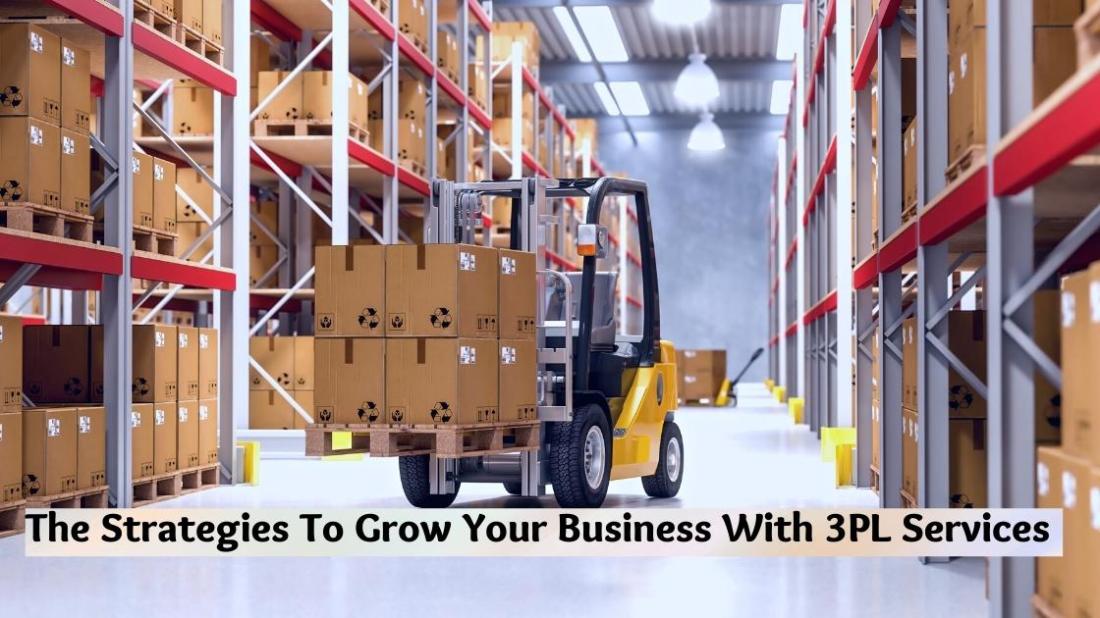
The Strategies To Grow Your Business With 3PL Services

It is not easy to build a business from scratch. Scaling your business up to the next level is even harder. There are many things to consider, such as staffing, warehouse costs, packaging, shipping costs to new customers, and other issues. It can sometimes seem almost impossible to imagine scaling up.

It’s easier than ever to grow your business with a third-party logistics provider. 

3 ways a third-party logistics company can help you grow your business:

Expertise

You have tried to expand your business into new markets with your products but aren’t sure how to get your product from your warehouse to your customers quickly and safely. 3PLs are experts in shipping to your specific location and will likely have the experience to help you.

Your 3PL can help you with any challenge that your business may face in scaling up, such as managing new orders or stocking merchandise. They have the experience and knowledge to handle it all. A 3PL is someone who has years of experience dealing with the challenges you face. We offer services of 3pl in Las Vegas.

Staffing

Staffing shortages are one of the greatest obstacles to growing your business quickly. It is important to not hire anyone until you are sure that you have the business to pay that salary. However, you cannot keep up with the additional demand that you need to generate that extra revenue.

A 3PL is your partner and will take care of the hiring of warehouse staff. The 3PL will simply allocate more of their existing staff to manage your business’s needs, such as if you need extra staffing for a sale. It’s not necessary to worry about who is hiring, what they are being paid, and when they take vacation days. Every time you call, you get the same level of service.

Space

If you want to grow your company, you will need more products and supplies to fulfill increased orders. It can seem daunting to pack more products in a small space, whether it’s your home, office, or warehouse. You may need more space to store all your products.

If your business is in an area with high rents, it may be worth paying a lot of money for warehouse space. Instead, let a 3PL handle the logistics of where to store your products. Your 3PL can access large quantities of warehouse space and your products can be expanded depending on your requirements. Your 3PL can help you expand your stock quickly and easily, without the need to spend a lot of money on moving into a new space or taking up valuable time.

Wrap up

Accurate Warehousing and Distribution have packaged our services to fit all your business needs, whether you require long-term or short-term warehouse solutions. We understand that business operations are highly flexible, and therefore our obligation is to offer flexible services to fit the requirements of the customer. We have a huge Warehouse in Las Vegas. We offer competitive prices because we understand the essence of business success. We know that our success depends on the success of your business. We do our part by offering the best prices in the market, to help you run your business successfully.

Name: Accurate Warehousing and Distribution

Contact No: 702-777-0300

Address: 6585 Escondido Street Ste B. Las Vegas, Nevada 89119

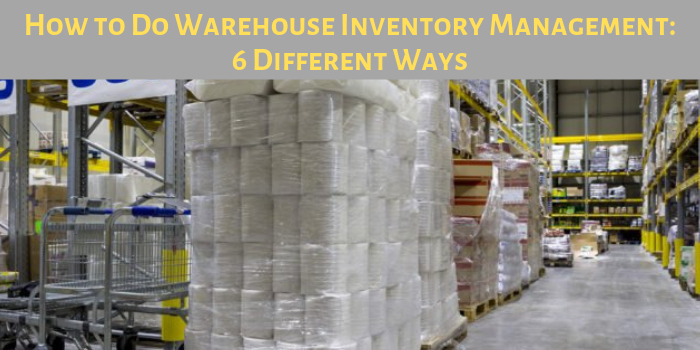
How to Do Warehouse Inventory Management: 6 Different Ways

Inventory Management in Warehouses requires more than simply organizing goods (though that certainly helps): It requires the right alignment of network strategy, facility and process engineering, and engineering systems that produce inventory accuracy and visibility. The result is a heightened capacity to deliver to a customer via their preferred sales channel, with a cost-to-serve that serves your bottom line.

Proper warehouse stock management can be challenging but, if you follow this useful advice, you can increase efficiency and reduce costs.

Reevaluate Your Warehouse Design.

The layout of your warehouse must ease logical stock flow, from receiving and inspection through to picking and packaging, to make sure that operations move quickly and smoothly. A bloated, congested layout makes it hard for inventory management personnel to get stock and leaves insufficient space for important processes like receiving, which raises the chance of human error. It is particularly important to reevaluate your warehouse layout to accommodate increases in company sales, which lead to increased space requirements.

When Revising Your Warehouse Layout, ask yourself the following:

Does my present design utilize space efficiently?Do my workers have sufficient room to perform their tasks properly?How long has it been since I last updated my layout? Have we experienced a substantial increase in sales volume in that time?Do I wish to integrate any particular stock logistics approaches in my design (e.g. cross-docking, wave picking, etc.)?

Reorganize Your Stock Keeping Units (SKUs).

To ensure efficient operations and stock management on your warehouse, organize products so that they’re easily accessible to inventory management employees. This principle applies not just on a warehouse’s general layout but to your SKUs, too. Strategically sort your SKUs and use slotting to group items together based on size, velocity, seasonality and other characteristics to reduce the amount of time employees spend searching for specific items.

You might also think about producing zones based on pick type to simplify order picking and reslotting. Place high volume, quickly moving SKUs near shipping places in easy-to-reach locations so employees can retrieve them quickly. By identifying and eliminating poor performing products, you are able to dramatically reduce inventory levels and better enable employee efficacy during order fulfillment.

Invest in Technology.

A Warehouse Management System (WMS) is a good place to start. A WMS is software designed to support and optimize warehouse operation. A WMS can incorporate systems and workflows, strategically organize execution systems, increase inventory visibility, mitigate the risk of demand volatility and much more to guarantee peak inventory management warehouse performance.

It’s also wise to invest in systems with business intelligence (BI) capabilities. It is BI uses technology to gather, analyze and transform data into actionable data. You may use this information to forecast inventory demand based on goods and vendor performance, reduce excess inventory, place together fill rate reports, execute real-time inventory tracking and get an accurate account of what is in-stock at any given point in time.

Automate Everything.

Among the benefits of buying technology is getting the ability to automate essential workflows, including information collection, barcoding, scanning, picking and packaging, shipping, inventory tracking and much more. Automated stock warehouse management allows for greater scalability, reduces the probability of human error, increases efficiency and saves money and time on manual labor. As soon as you’ve implemented inventory management warehouse technologies, be careful to regularly reevaluate your automation plan to ensure that it continues to meet your business’s efficiency criteria.

Empower Your employees.

Among the greatest methods to enhance overall stock warehouse management is to make it much easier for warehouse employees to do their jobs — and to perform them efficiently. This may be as straightforward as setting strict security standards to protect your employees from possible harm on the warehouse floor or adjusting your cleaning schedule to a more optimum moment. Produce a thorough business strategy so that it’s easier for employees to identify where high-volume products are situated.

From a technical perspective, use automation to maintain accurate records of all warehouse tasks which employees can refer to on a minute’s notice. At any time you employ new technologies, take the opportunity to sponsor mandatory training sessions and familiarize all warehouse employees with new applications and systems. By empowering your staff with this valuable knowledge, you present them with additional opportunities to maximize stock management on a regular basis.

It goes without saying that an organized warehouse is an efficient warehouse. By implementing the practices listed above, along with Investing in the right software programs, you are able to simplify day-to-day operations, improve employee morale and move inventory faster.

Accurate Warehousing And Distribution have packaged our services to fit all your business needs, whether you require long-term or short-term warehouse solutions. We understand that business operations are highly flexible, and therefore our obligation to offer flexible services to fit the requirements of the customer. We offer competitive prices because we understand the essence of business success. We know that our success depends on the success of your business. We do our part by offering the best prices in the market, to help you run your business successfully.